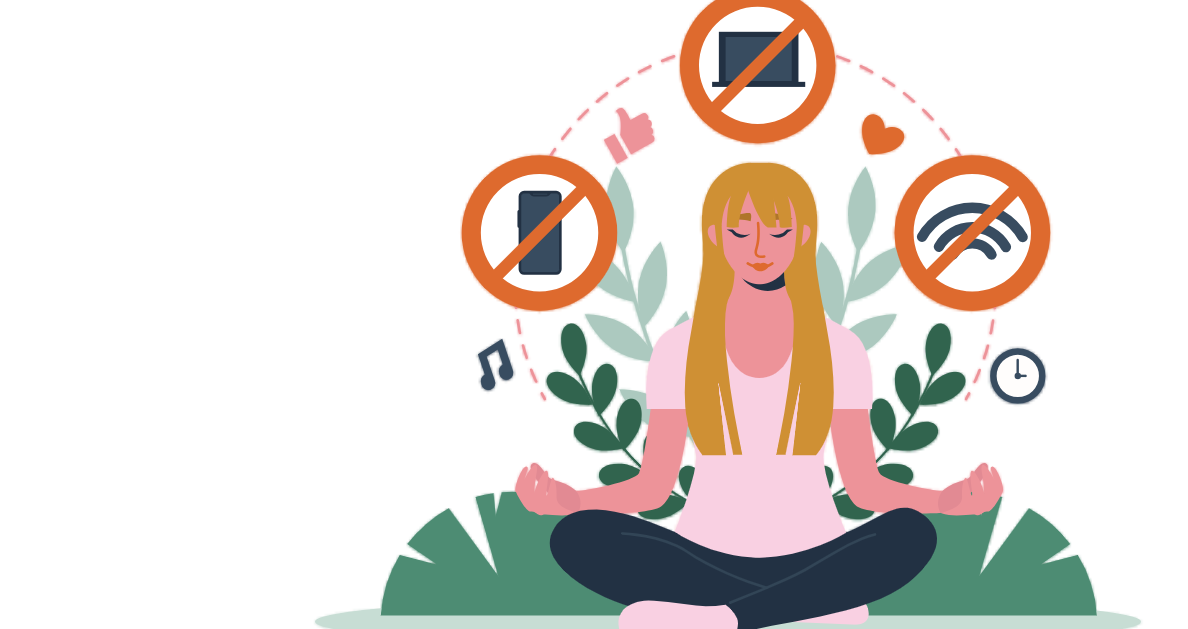
Distraction is no longer accidental—it’s engineered.
Notifications, endless feeds, and algorithm-driven content compete for attention every second. In this environment, focus becomes a skill—and a lifestyle choice.
Designing a focused life isn’t about rejecting technology. It’s about using it intentionally.
Understanding the Cost of Constant Attention Switching
Every interruption carries a hidden tax. Switching tasks drains mental energy and reduces depth of thinking. Over time, this erodes creativity, problem-solving, and emotional regulation.
Focus isn’t lost in one moment—it’s fragmented slowly.
Recognizing this cost is the first step toward reclaiming control.
Environment Shapes Behavior More Than Willpower
Relying on discipline alone rarely works.
Focused individuals design environments that reduce friction:
- Clean workspaces
- Limited open tabs
- Devices configured for purpose, not entertainment
Environment quietly dictates behavior. Design it wisely.
The Power of Intentional Constraints
Constraints create clarity.
Setting time blocks for communication, content consumption, and deep work removes decision fatigue. Instead of constantly choosing what to do next, you follow a system.
Paradoxically, limitations increase freedom.
Digital Minimalism Is a Spectrum
You don’t need to delete everything or disappear offline.
Digital minimalism is about alignment—keeping tools that serve goals and removing those that don’t. Ask regularly:
- Does this app support my direction?
- Or just consume my attention?
Answer honestly.
Building Focus Rituals That Stick
Rituals anchor behavior.
A short walk before work. Writing with the same music. Starting sessions with a clear intention. These signals tell the brain: now we focus.
Rituals reduce resistance and increase consistency.
Rest Is Part of Focus, Not the Opposite
Burnout masquerades as productivity.
Sustainable focus requires deliberate rest—sleep, movement, and mental pauses. Without recovery, attention degrades and creativity stalls.
Focused lives respect recovery as much as output.
Redefining Productivity
Productivity isn’t about doing more—it’s about doing what matters.
When focus improves, priorities sharpen. Busywork fades. Meaningful progress replaces constant motion.
This shift changes how life feels—not just how work gets done.
Closing Perspective
In a world designed to fragment attention, choosing focus is an act of intention.
You don’t need more tools. You need clarity, boundaries, and systems that protect your attention.
A focused life isn’t quieter—it’s deeper.
